

Navigating Accreditation and Compliance in Healthcare
Healthcare organizations operate in a highly regulated environment where maintaining accreditation and compliance is vital to ensuring quality patient care and institutional credibility. For administrators, navigating these complex requirements is a daily reality,...
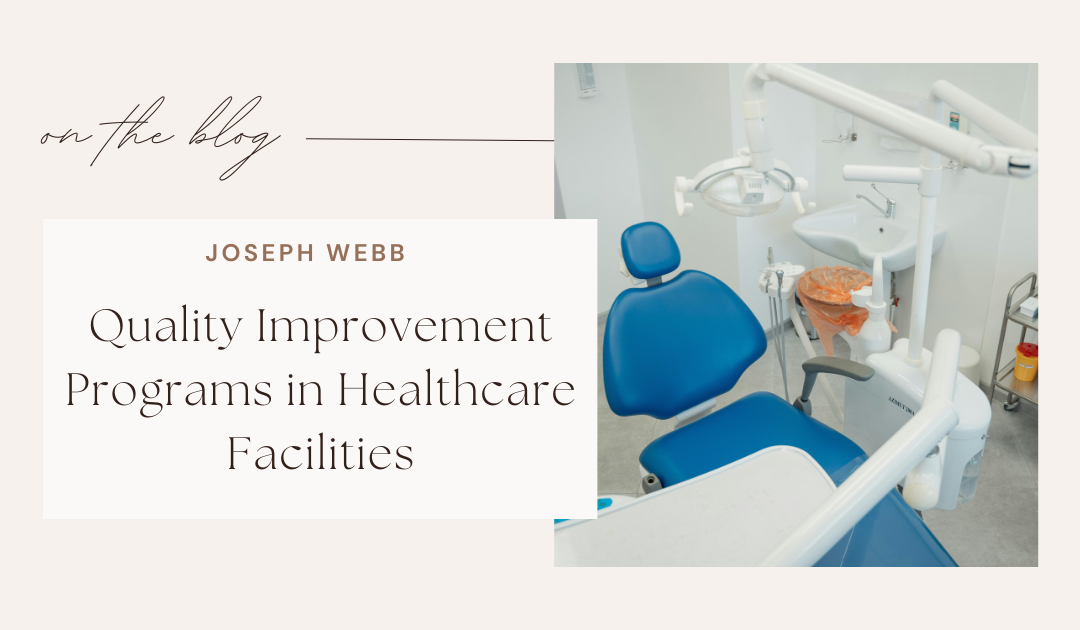
Quality Improvement Programs in Healthcare Facilities
Quality Improvement (QI) programs are essential to advancing healthcare delivery, ensuring patient safety, and achieving optimal outcomes. These structured initiatives aim to enhance processes, reduce errors, and create a culture of excellence within healthcare...

Revenue Cycle Management in Healthcare Services
Revenue Cycle Management (RCM) is the financial backbone of healthcare services, ensuring that providers are paid accurately and promptly for the services they deliver. In an era of increasing administrative complexity, evolving regulations, and pressure to reduce...
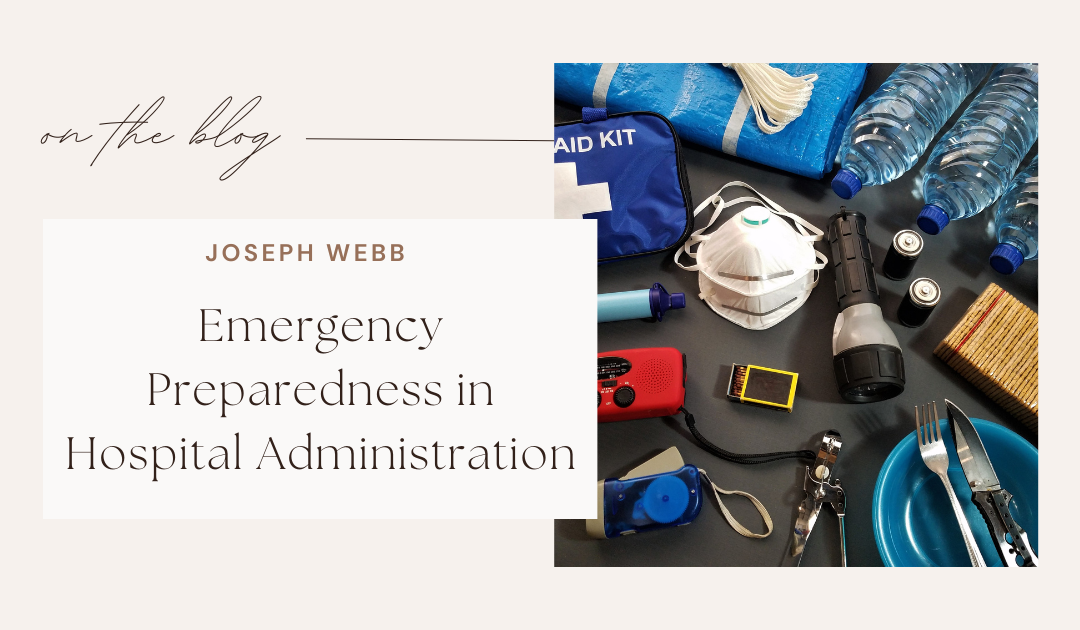
Emergency Preparedness in Hospital Administration
Emergency preparedness is a vital aspect of hospital administration that directly influences a healthcare facility’s ability to respond to crises, protect lives, and recover effectively. Whether facing natural disasters, pandemics, cyberattacks, or mass casualty...

The Mental Health Revolution: Why Emotional Wellness is the New Healthcare Priority
Mental health, once stigmatized and sidelined, is now at the forefront of healthcare discussions. With rising rates of anxiety, depression, and burnout worldwide, emotional wellness has become a critical priority for individuals, employers, and healthcare systems....

The Future of Healthcare: How AI is Transforming Patient Care
Artificial intelligence (AI) is no longer a futuristic buzzword—it’s a present-day reality that’s reshaping the healthcare industry. From enhancing diagnostic accuracy to enabling personalized treatment, AI is driving revolutionary changes in the way patients receive...

Ethical Dilemmas in Healthcare Administration
Healthcare administrators face a wide range of responsibilities that require them to make critical decisions every day. These decisions not only affect the operational efficiency of a healthcare facility but also impact patient lives, staff morale, and community...

Leadership Skills Every Healthcare Administrator Should Have
Healthcare administrators are the glue that holds medical organizations together. They oversee complex systems where the stakes are high and the margin for error is minimal. As healthcare continues to evolve with rapid technological advancements, regulatory changes,...

Managing Healthcare Costs Without Compromising Care
Controlling costs in healthcare is one of the most pressing concerns for administrators, insurers, policymakers, and patients alike. With rising prices for services, equipment, medications, and labor, hospitals and clinics must strike a delicate balance between...

Telehealth: Benefits and Administrative Challenges
Telehealth has revolutionized the delivery of healthcare, especially since the COVID-19 pandemic which accelerated its adoption. With the help of technology, patients now have access to medical care from the comfort of their homes. This evolution offers numerous...